 HarleyMotorcycleParts
Twin Cam Cam Chain Tensioners: Inspection and the Shoe Wear Problem
The chain inside the Twin Cam engine that nobody talks about until its tensioner shoe is in pieces.
The Twin Cam is the only Big Twin that drives its cams with chains: an inner chain from the crank to the rear cam, and an outer chain linking the two cams. Each chain is held tight by a spring-loaded tensioner with a plastic shoe riding on it. On the 1999-2006 engines those shoes are known to wear, sometimes down to the metal, and the debris goes where the oil goes. You cannot hear it happening, so the only way to know is to look.


Tools
- Exhaust removal tools (the cam cover sits behind the right-side pipes)
- Cam cover gasket or seal
- Cam chain tensioner tool for your era
- Torque wrench
- Clean oil pan and lint-free rags
- Magnifier and torch
- Service manual
Know which tensioner you have
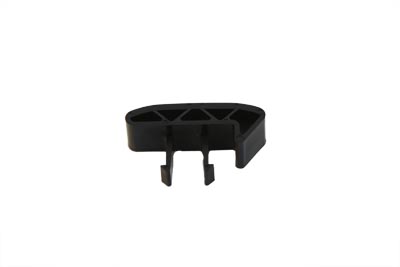
1999-2006 Twin Cam (88 and early 96 parts): spring-loaded tensioners with relatively narrow shoes. These are the ones with the reputation. Our catalogue carries replacement tensioners, the tensioner pad and pin, a full cam chain and tensioner kit, and a hydraulic tensioner conversion kit for this era.
2006 Dyna and 2007-2017 Twin Cam 96/103/110: Harley moved to hydraulic tensioners with wider shoes and a different cam support plate. They last far longer, but they are still a wear item on high-mileage or hard-run engines, and they are worth a look whenever the cam cover is off for cams.
Parts are NOT interchangeable between the two eras: the cam support plates are listed separately and the tensioners differ. Year first, parts second.
Symptoms, and why there usually are none
A worn shoe makes no reliable noise until it is very far gone. Some owners report a tick or rattle from the right side, but the more common first sign is bits of orange or black plastic in the oil filter or on the drain plug magnet when it is cut open or wiped. Cutting open the oil filter at an oil change is a cheap way to watch for it.
If the shoe wears through, the chain runs on the tensioner's metal body. That produces metal debris in the oil, which is the outcome this inspection exists to prevent.
Getting to the cam chest
Battery negative off. The cam cover is on the right side of the engine behind the exhaust, so the pipes come off first. Have a fresh cam cover gasket ready before you start; reusing the old one is a common source of a weep that gets blamed on something else.
With the cover off you see the outer chain and its tensioner straight away. That is the shoe most people judge the engine by. The inner chain and its tensioner sit behind the cam support plate and need more disassembly to see properly; the manual sets the order and the tools, including how to unload and pin the tensioners.
Reading the shoe
Look at the face where the chain rides. A shoe in good health shows an even, shallow track. Worry when the track is deep, when the edges are chipped or cracked, when the chain has cut grooves, or when pieces are missing. Compare against a new shoe if you can get one in your hand; the difference in thickness is obvious once you see both.
Collect anything loose in the cam chest before it goes back together, and find where missing pieces went. A chunk that reaches the oil pump is the real damage.
Your options
Replace like for like: new tensioner shoes or tensioner assemblies for your era. The cheapest answer, and it buys more years of the same wear pattern.
Hydraulic tensioner conversion (1999-2006): fits the later-style hydraulic tensioners and the matching support plate to an early engine. More money, and a longer-lived result.
Gear drive: replaces the chains with gears, removing the tensioners altogether. Usually done alongside a cam upgrade; it needs correct gear selection to the case and crank, and it is the most specialised of the three. A shop with Twin Cam experience is the right call if you have not done one.
Whichever you pick, follow the manual for the cam timing marks, tensioner unloading and torque. A cam chain fitted one tooth out is an engine that does not run, or worse.
Mistakes that cost money
- Assuming an Evolution or Sportster has cam chains to check: they have gears.
- Ordering 2007-up tensioners for a 1999-2006 engine (or the reverse).
- Reusing the cam cover gasket.
- Letting a loaded tensioner snap shut on your fingers instead of pinning it per the manual.
- Losing the cam timing marks during reassembly.
When to stop
If you find metal in the cam chest, pieces you cannot account for, or scoring on the cam support plate, stop and have the oil pump and bottom end looked at by a Twin Cam specialist before the bike runs again. Debris that has been round the oil system does not stay in the cam chest.
Parts for this job
Check fitment for your own model and year before ordering — add your bike and we will flag what fits.

Other Harley how-to guides
This guide covers procedure and judgement. Torque figures, fluid capacities, gaps and tension settings are specific to your model and year and must come from the factory service manual for your motorcycle — we deliberately do not print numbers we cannot stand behind for your bike. Independent aftermarket retailer, not affiliated with Harley-Davidson, Inc.