Cold Start Guide: 2026 Harley-Davidson Road Glide FLTRX
Cold Start Guide: 2026 Harley-Davidson Road Glide FLTRX
Quick Reference Table
| Spec | Value | Source |
|---|---|---|
| Engine | Milwaukee-Eight 117 (1,923cc) V-twin, OHV 4-valve | Harley-Davidson |
| Fuel System | Electronic Sequential Port Fuel Injection (ESPFI) | H-D Service Manual |
| Battery Type | AGM (Absorbed Glass Mat), 12V | H-D Owner Manual |
| Recommended CCA | Minimum 300 CCA at 0° F | H-D Parts Catalog |
| Idle RPM (Cold) | 1,100-1,200 RPM | H-D Service Manual |
| Idle RPM (Warm) | 1,000-1,050 RPM | H-D Service Manual |
| Choke/Enrichment | None — Auto-enrichment via ECM | H-D Service Manual |
| Fuel Octane | 91 RON (87 AKI) minimum, 93 RON recommended | H-D Owner Manual |
| Cold Start Temp Range | 0° F to 100° F (-18° C to 38° C) | H-D Engineering Specs |
Difficulty & Time Estimate
- Difficulty Level: Beginner (1 out of 5) — fully automatic cold-start procedure
- Estimated Time: 5-7 minutes from key-on to rolling idle (cold engine)
- Seasonal Note: Below 40° F, allow additional 3-5 minutes of warm-up before riding
- The Road Glide's frame-mounted fairing provides excellent wind protection even during cold morning warm-ups — a significant advantage over the Street Glide's fork-mounted design in winter
Pre-Start Checklist
| Checkpoint | Status | Notes |
|---|---|---|
| Battery Voltage | ≥ 12.6V | Use multimeter on battery terminals; below 12.4V may struggle in cold |
| Fuel Level | Adequate | ESPFI requires minimum fuel pressure; very low tank may cause hesitation |
| Oil Level | Between marks | Check dipstick on level ground; engine seated but NOT running |
| Tire Pressure | Per owner's manual / tire placard | Cold tires affect handling on first miles |
| Kill Switch | RUN position | Right handlebar controls — easy to accidentally leave in OFF |
| Transmission | Neutral | Green neutral light must be illuminated |
| Kickstand | Up | Safety interlock prevents start in gear with stand down |
| Key/Fob | Present | Security system (H-D Smart Security) requires fob proximity |
Step-by-Step Cold Start Instructions
Step 1: Pre-Ride Visual Walkaround
Walk around the motorcycle before starting. In cold weather, check for ice accumulation on the frame-mounted shark-nose fairing — it can restrict the air intake if ice builds up on the lower fairing. Look for any fluid puddles on the ground.
Step 2: Verify Kill Switch Position
Check the kill switch on the right handlebar switch housing. Ensure it is set to RUN (green arrow position). This switch can be accidentally moved when hanging a cover or moving the bike.
Step 3: Insert Key or Ensure Fob Proximity
Turn the ignition key to ON. The 6.5-inch Boom! Box GTS display will initialize and run its startup sequence. Listen carefully for the fuel pump priming — a brief 2-3 second whirring sound from the fuel tank area.
Step 4: Wait for Fuel Pump Priming
Allow 3-5 seconds for the ESPFI system to establish fuel pressure before pressing the starter. In cold weather, the ECM may extend the pump prime time slightly to ensure adequate fuel delivery — this is normal and intended.
Step 5: Confirm Neutral and Pull Clutch
Verify the green neutral indicator is lit. Pull in the clutch lever before starting in cold conditions — this disengages the transmission from the crankshaft and reduces the rotational mass the starter motor must turn, especially valuable with cold, thick oil.
Step 6: Press the Starter Button
Press the starter button on the right handlebar. Hold for 2-4 seconds. The Milwaukee-Eight 117 should fire promptly. If the engine has not started after 5 seconds, release the button, wait 10 seconds, and try again. No throttle input is required.
Step 7: Observe Initial Cold Idle
Upon starting, idle speed will be elevated (~1,100-1,200 RPM) as the ECM commands cold enrichment. The Road Glide's frame-mounted fairing helps shield the engine from crosswinds during warm-up, maintaining more stable idle in cold breezy conditions than fork-mounted fairings.
Step 8: Allow Initial Warm-Up (30-60 Seconds)
Let the engine idle for 30-60 seconds. The RPM will naturally drop as the ECM reads the engine coolant/oil temperature sensors and reduces enrichment. Confirm that all instrument cluster warning indicators have cleared.
Step 9: Check Warning Lights
Verify oil pressure, ABS, and security lights have all extinguished. If the oil pressure light persists beyond 5-7 seconds after starting, shut off the engine immediately and check oil level.
Step 10: Begin Gentle Warm-Up Riding
Once idle stabilizes near the warm specification (1,000-1,050 RPM), begin riding with light throttle. Maintain RPM below 3,000 for the first 1-2 miles. Avoid aggressive shifting and allow the transmission oil to warm — cold Mil-8 transmissions shift more firmly.
Step 11: Extended Cold Warm-Up (Below 40° F)
In temperatures below 40° F, extend the stationary warm-up period to 3-5 minutes. Monitor the oil temperature gauge if your Road Glide is equipped with one. Wait until it reads above 140° F before applying normal throttle loads. The frame-mounted fairing provides excellent wind protection, so stationary warm-up is more comfortable than on many other touring bikes.
Seasonal & Temperature Guide
| Temperature Range | Procedure | Notes |
|---|---|---|
| Below 20° F (-7° C) | 5-8 min warm-up; verify fob battery | Battery tender essential; expect longer crank times |
| 20-40° F (-7 to 4° C) | 3-5 min warm-up; pull clutch lever | AGM battery output reduced — pre-warmed battery starts faster |
| 40-60° F (4 to 16° C) | 1-2 min warm-up; standard procedure | Fairing shields engine — stable idle even in wind |
| Above 60° F (16° C) | 30-60 sec warm-up; minimal enrichment | Most efficient operating range for Mil-8 |
Tips, Warnings & Common Mistakes
Helpful Tips
- The Road Glide's frame-mounted shark-nose fairing is a cold-weather advantage — it blocks crosswinds during warm-up and keeps engine heat around the rider
- ESPFI is fully automatic — the ECM reads intake air temperature, engine temperature, and barometric pressure to optimize cold-start fueling
- If storing the bike for winter, fill the tank to prevent condensation and add STA-BIL fuel stabilizer
- Install heated grips (H-D OEM accessory) if you plan to ride in cold weather regularly
- The Boom! Box GTS infotainment system takes 15-20 seconds to boot — this happens in parallel with your warm-up
Warnings
- NEVER attempt to push-start a Milwaukee-Eight — the security system and ESPFI make this impossible and you will drain the battery
- Do not cover the shark-nose air intakes during winter storage — rodents may nest inside; check before first cold start
- Excessive idling (more than 10-15 minutes) is hard on the engine — the cooling system is air/oil-cooled and relies on airflow
- Never add starting fluid to the air intake — Milwaukee-Eight engines are fuel-injected and this can cause detonation damage
Common Mistakes to Avoid
| Mistake | Consequence | How to Avoid |
|---|---|---|
| Skipping the fuel pump wait | Weak start or no-start from low fuel pressure | Listen for the pump whir before pressing starter |
| Revving during warm-up | Unlubricated engine components wear faster | Let ECM manage enrichment, hands off throttle |
| Ignoring battery health | Stranded on cold morning | Test battery CCA before winter season begins |
| Extended stationary idle | Poor engine cooling, carbon buildup | 3-5 minutes max, then begin light riding to warm |
| Assuming warm idle is correct | Incorrect baseline can mask issues | Verify 1,000-1,050 RPM when fully warmed |
| Not checking oil level in fall | Risk of low oil during cold morning starts | Oil level check should be part of every cold morning ride |
Battery Maintenance for Cold Starts
| Item | Recommendation |
|---|---|
| Battery Type | AGM 12V, 300+ CCA |
| Cold Weather Impact | AGM output drops ~40% at 0° F vs. room temperature |
| Battery Tender | CTEK MXS 5.0 with AGM mode — leave connected in winter |
| Replacement Interval | 3-5 years; replace when CCA falls below 80% rated spec |
| Winter Storage | Smart charger maintained; disconnect if no tender available |
| Terminal Torque | 20-30 in-lbs — check during fall maintenance |
| Boom! Box Drain | System draws ~15mA standby; disconnect for 30+ day storage |
The Road Glide's Boom! Box GTS infotainment and all-LED lighting increase electrical load at startup. A battery in marginal condition may be adequate for an Iron 883 but inadequate for a fully loaded Road Glide on a cold morning.
Troubleshooting
| Symptom | Likely Cause | Fix |
|---|---|---|
| Cranks but won't fire | Fuel pump not priming, security active, spark issue | Wait for pump prime; check security light; inspect spark |
| Slow, labored cranking | Weak or discharged battery | Charge battery; clean terminals; replace if < 4 years old |
| Single click, no crank | Starter solenoid, dead battery, or safety interlock | Verify neutral; check battery voltage; inspect solenoid |
| Starts then immediately dies | IAC valve issue, security cut-off, faulty crank sensor | Verify fob detected; inspect IACV for carbon buildup |
| Erratic idle on warm-up | Normal ECM adjustment — or TPS needs calibration | Give it 2-3 min; if still erratic, check TPS with scanner |
| Oil light stays lit after start | Low oil, wrong viscosity, or pressure sensor fault | Shut down and check dipstick — verify 20W-50 oil |
Verification Notes for 2026 Model Year
| Item | Known Value | Notes |
|---|---|---|
| Cold idle RPM | 1,100-1,200 RPM | Based on Milwaukee-Eight Touring; verify for 2026 frame |
| Warm idle RPM | 1,000-1,050 RPM | Standard Mil-8 spec; check against owner manual |
| Battery CCA | 300+ CCA | Verify actual battery installed matches minimum spec |
| Fuel system | ESPFI (auto-enrichment, no choke) | Confirmed for all Milwaukee-Eight Touring models |
| Starter type | Electric, high-torque | Cranking amps 80-120A normal; verify with amp clamp if needed |
| Security | H-D Smart Security (fob-based) | Immobilizer active; fob battery (CR2032) lasts ~2 years |
| Frame change | New frame design for 2026 Touring | Idle sensor locations may differ from 2024-and-earlier models |
To verify all specifications, check your 2026 Road Glide owner's manual included with the motorcycle, or access it through the Harley-Davidson mobile app.
This guide was prepared using Milwaukee-Eight service manual specifications and Harley-Davidson OEM cold-start procedures. Always verify against your specific owner's manual. The 2026 Road Glide received a completely new frame design — sensor locations and idle specifications may differ from 2024 and earlier Touring generation models.
Parts for this job
Fits FLTRX, FLTR, FLT, FL — from our catalogue of 41,000+ aftermarket parts.
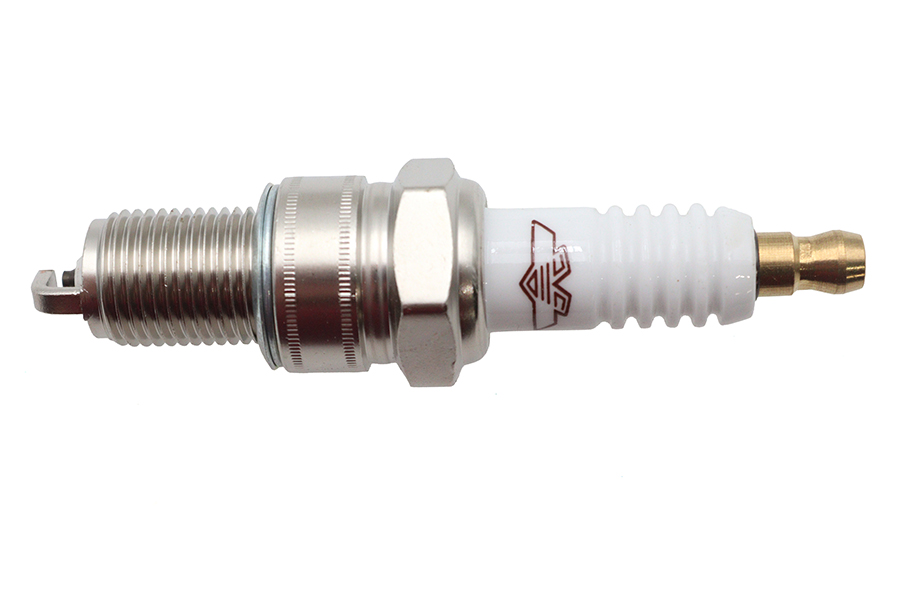 Ultima Standard Spark Plug$4.86
 Battery Label$5.40
 Ultima Starter Gear Bushing$6.35
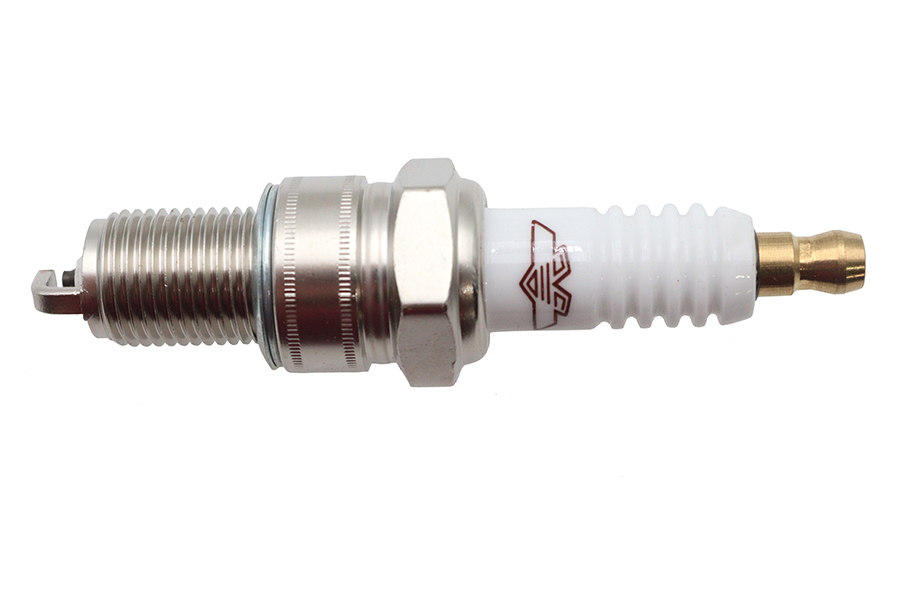 Ultima Standard Spark Plug$7.02
 Ultima Starter Drive Gear Starter Bolt$7.02
 Ultima Starter Drive Gear Spring$7.02
 *UPDATE Battery Top Plug Set$8.58
 Ignition System Cover Allen Screws$8.59
 Parkerized 6 Volt Battery Rod Wing Nuts$9.50
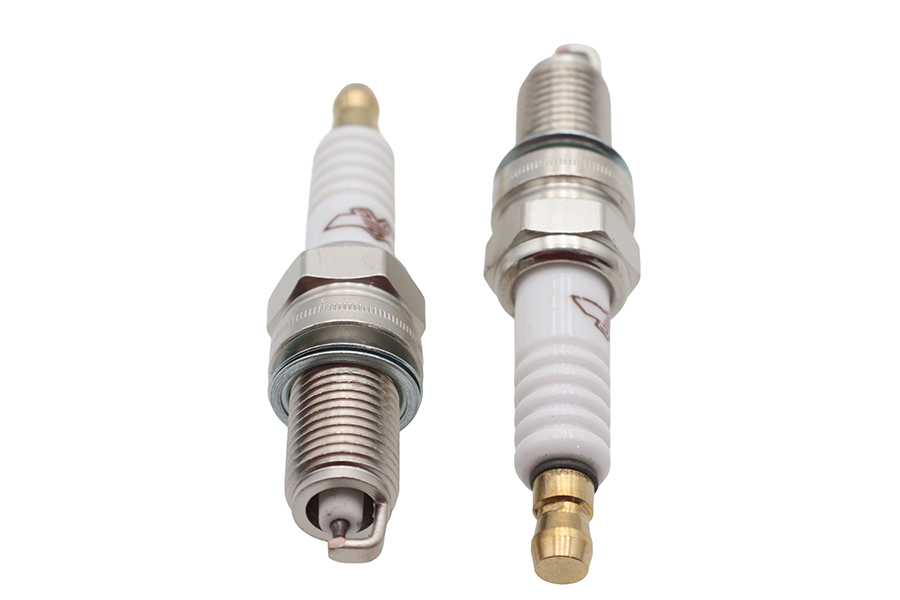 Ultima Peformance Spark Plugs$9.72
 Accel U-Groove Spark Plug Set$10.64
 8mm Spark Plug Wire Set$10.64