Cold Start Guide: 2026 Harley-Davidson Breakout FXBR
Cold Start Guide: 2026 Harley-Davidson Breakout FXBR
Quick Reference Table
| Spec | Value | Source |
|---|---|---|
| Engine | Milwaukee-Eight 117 (1,923cc) V-twin, air/oil-cooled, OHV 4-valve | Harley-Davidson |
| Fuel System | Electronic Sequential Port Fuel Injection (ESPFI) | H-D Service Manual |
| Battery Type | AGM (Absorbed Glass Mat), 12V | H-D Owner Manual |
| Recommended CCA | Minimum 330 CCA at 0° F — M8 117 demands higher cranking current | H-D Parts Catalog |
| Idle RPM (Cold) | 1,100-1,250 RPM | H-D Service Manual |
| Idle RPM (Warm) | 1,000-1,100 RPM | H-D Service Manual |
| Choke/Enrichment | None — Auto-enrichment via ECM | H-D Service Manual |
| Fuel Octane | 91 RON (87 AKI) minimum, 93 RON (91 AKI) recommended | H-D Owner Manual |
| Cold Start Temp Range | 0° F to 100° F (-18° C to 38° C) | H-D Engineering Specs |
Difficulty & Time Estimate
- Difficulty Level: Beginner (1 out of 5) — fully automatic cold-start procedure
- Estimated Time: 6-8 minutes from key-on to rolling idle (cold engine); M8 117's larger displacement and higher compression add ~1 minute over smaller variants
- Seasonal Note: Below 40° F, allow additional 3-5 minutes of warm-up before riding
- The Milwaukee-Eight 117 with ESPFI handles cold starts automatically — no manual choke required
- Exposure Note: The Breakout features zero fairings, bags, or wind protection — every cold-air impact on the 117's exposed finned cylinders, fuel lines, oil cooler, and rider is unfiltered and direct
- Weight Note: At 680+ lbs wet, the Breakout is among the heaviest Softails; cold surfaces compound the risk of low-speed drops, demanding extra caution during the first miles
Pre-Start Checklist
| Checkpoint | Status | Notes |
|---|---|---|
| Battery Voltage | ≥ 12.6V | M8 117 draws higher cranking current; below 12.4V will struggle in cold |
| Fuel Level | Adequate | ESPFI requires minimum fuel pressure; the 117's larger injectors demand steady supply |
| Oil Level | Between marks | Check dipstick on level ground; engine seated but NOT running |
| Tire Pressure | Per placard (front 36 PSI, rear 40 PSI recommended) | The 240mm rear tire is critical — cold, under-inflated it affects handling severely |
| Kill Switch | RUN position | Right handlebar controls — fully exposed minimalist bars make accidental OFF more likely |
| Transmission | Neutral | Green neutral light must be illuminated |
| Kickstand | Up | Safety interlock prevents start in gear with stand down |
| Key/Fob | Present | H-D Smart Security System requires fob proximity for ignition authorization |
| Engine Exposure | Check for ice/snow on cylinders, oil cooler, and headers | No engine shields or covers — 117's finned cylinders are fully exposed to frost |
| Rear Tire Warm-Up | Visual and pressure check | 240mm rear contact patch is massive; cold rubber on cold pavement is a significant hazard |
| Front-End Geometry | Check fork seals, stem bearings for moisture | Breakout's extended front-end rake and stretched geometry demand attention when cold and stiff |
| Forward Controls | Verify operability | Cold stiffens control linkages; ensure shifter peg and forward brake pedal move freely |
Step-by-Step Cold Start Instructions
Step 1: Pre-Ride Visual Walkaround
Before touching any controls, walk around the Breakout. The 117's massive finned cylinders, exposed oil cooler behind the rear cylinder, and dual exhaust headers sit completely bare — inspect for ice, frost buildup, or snow accumulation across these critical heat surfaces. The 240mm rear tire dominates the rear profile; check its sidewalls for cold-related cracking and the tread for embedded debris. The forward-mounted control linkages should be free of ice or debris that could bind in the cold. The stretched front end requires special attention — verify the fork tubes are clean and the triple clamp shows no frost buildup that could affect steering.
Step 2: Verify Kill Switch Position
Locate the engine stop switch (kill switch) on the right handlebar switch housing. Slide it to the RUN position, identified by the green arrow icon. The Breakout's drag-style handlebars keep controls fully exposed — a stray glove or rain cover during storage can easily bump the kill switch to OFF without the rider noticing.
Step 3: Insert Key or Ensure Fob Proximity
Turn the ignition key to ON, or with keyless ignition, ensure your H-D Smart Security fob is within range (typically 3 feet). The single analog speedometer and digital display module will illuminate and cycle through their self-check sequence. Listen for the fuel pump — a brief whirring sound lasting 2-3 seconds confirms the ESPFI system is pressurizing. The Breakout's minimalist instrumentation provides essential data only — watch the warning LEDs carefully during this phase.
Step 4: Wait for Fuel Pump Priming
Do not press the starter button immediately. Allow 3-5 seconds for the ESPFI system to establish proper fuel pressure. The M8 117's 10.5:1 compression ratio and larger-bore cylinders require a precise enriched mixture on startup — the auto-enrichment system needs those few seconds for the ECM to determine the correct base fuel map based on intake air temperature. Below 32° F, expect the fuel pump to run 1-2 seconds longer. The Breakout's exposed fuel lines receive zero heat shielding from ambient cold soak, meaning fuel temperature drops more rapidly than on bagged or faired models.
Step 5: Confirm Neutral and Disengage Clutch
Verify the transmission is in neutral by confirming the green neutral indicator is lit. Pull the clutch lever for an additional safety margin — the M8 117 shares a single oil sump for both engine and transmission (the 6-speed Cruise Drive), and cold, thick 20W-50 oil creates significant rotational drag across the clutch plates. Disengaging the clutch removes this parasitic load from the starter motor, giving the 117's larger crankshaft the best chance to reach starting RPM.
Step 6: Press the Starter Button
Press the starter button on the right handlebar. Hold for 2-4 seconds — the Milwaukee-Eight 117 should fire decisively. The 117 is the largest and most torque-dense engine in the Softail lineup, and its higher compression means cranking resistance is greater than the M8 114 or 107. A healthy battery is essential: expect starter current draw of 90-130 amps during crank, slightly more than the smaller Mil-8 variants.
Note: Do not apply any throttle. The ECM auto-enrichment system manages the cold-start air-fuel ratio independently. Any throttle input can disrupt the enrichment map and delay starting.
Do not hold the starter for more than 5 consecutive seconds. If the engine does not fire, release the starter, wait 10 seconds for the starter motor to cool, and retry.
Step 7: Observe Initial Idle
Once the 117 fires, the engine will settle into an elevated cold idle — approximately 1,100-1,250 RPM. This aggressive idle speed is intentional: the ECM commands higher RPM to circulate oil through the 117's larger oil passages, warm the catalyst in the exhaust, and stabilize combustion while the enriched mixture is active. Do not blip or roll the throttle during this phase. The Breakout's long wheelbase and forward controls position the rider in a laid-back, stretched posture — you will feel the full character of the 117's uneven firing pulses through the frame. This sensation is normal and not a mechanical concern during cold start.
Step 8: Allow Initial Warm-Up (30-60 Seconds)
Let the engine idle undisturbed for 30-60 seconds. As oil temperature rises and ECM enrichment tapers, the RPM will gradually decrease. During this period, confirm all warning lights on the speedometer/indicators panel have extinguished. The Breakout's completely unfaired stance means the rider sits directly in the ambient air with no windscreen or heat deflection — use these seconds to verify your cold-weather gear is properly fastened before pulling away.
Step 9: Check for Warning Indicators
Within 10 seconds of running, confirm that the oil pressure warning light, ABS self-check light, and security system indicator have all turned off. If the oil pressure light persists beyond 5-7 seconds, shut the engine off immediately and check the oil level — the M8 117's oil capacity (5 quarts with filter change) must be correct for proper cold circulation. Persistent warning lights require diagnosis before any riding is attempted.
Step 10: Begin Gentle Warm-Up Riding
Once the cold idle RPM settles to approximately 1,000-1,100 RPM and feels smooth, begin moving. Keep engine RPM below 3,000 for the first 1-2 miles. Avoid aggressive roll-ons — the M8 117 produces peak torque of approximately 125 lb-ft, available from very low RPM, and this massive torque can easily break traction on cold pavement. The 240mm rear tire's enormous contact patch is slower to warm than narrower tires and offers less grip when cold — smooth, progressive throttle inputs are essential.
Step 11: Cold Weather Extended Warm-Up (Below 40° F)
When ambient temperature is below 40° F, extend stationary warm-up to 3-5 minutes. The Milwaukee-Eight 117's air/oil-cooled design loses heat rapidly to cold ambient air through its massive finned cylinder heads with zero fairing deflection. The Breakout's exposed engine architecture means there is no wind shield, no heat deflector, and no under-engine splash guard to retain any warmth. Check the oil temperature gauge (if equipped) or estimate — do not apply normal throttle until oil temperature exceeds 140° F. In extreme cold below 20° F, allow a total of 5-8 minutes warm-up.
Step 12: Forward Controls and Rider Readiness Check
Before departing, verify your forward-mounted control reach. The Breakout's forward foot controls place your feet well ahead of your seated position — in cold weather, stiff boots and frozen joints can reduce your ability to modulate the rear brake pedal and shift peg quickly. Perform a quick test: press the rear brake pedal to confirm feel, click the shifter through neutral to first and back. The drag-style handlebars position your hands wider and lower than standard ergonomics — in heavy cold-weather gloves, verify you can fully depress the clutch lever and reach the front brake with adequate leverage. This is a Breakout-specific concern: the stretched riding position reduces your margin for quick inputs if emergency braking is needed on cold surfaces.
Seasonal & Temperature Guide
| Temperature Range | Procedure | Notes |
|---|---|---|
| Below 20° F (-7° C) | 5-8 min warm-up; verify fob battery; pull clutch | Battery tender overnight essential; 240mm rear tire dangerously hard in extreme cold; M8 117 cranking current peaks at 120-130+ amps |
| 20-40° F (-7 to 4° C) | 3-5 min warm-up; pull clutch; verify oil pressure | AGM battery capacity reduced ~30% at 32° F; watch for cold tire slip on the massive 240mm rear; forward controls feel stiff |
| 40-60° F (4 to 16° C) | 1-2 min warm-up; standard start procedure | Ideal range for M8 117 cold starts; 240mm rear still needs 1 mile minimum before hard inputs; no wind protection means rider chill |
| Above 60° F (16° C) | 30-60 sec warm-up; standard start | Minimal enrichment required; 117 reaches operating temperature fastest in this range; rider exposure to ambient wind is still a comfort factor |
Tips, Warnings & Common Mistakes
Helpful Tips
- The Milwaukee-Eight 117 uses sequential port fuel injection — no choke, no manual enrichment, no carburetor adjustments
- The M8 117 is the largest Softail engine — its higher CCA requirement (330+ vs 300+) means battery condition is even more critical than on the 114
- After 3+ months of storage, drain old fuel and refill with fresh 87+ AKI gasoline before attempting a cold start
- The Breakout's fully exposed engine warms quickly under light load because cold air flows freely over all 117 finned cylinders — but it cools equally fast at stops
- Use a smart battery tender (CTEK MXS 5.0 or BatteryMINDer) through winter — the 117's higher cranking demand punishes even slightly weak batteries
- The 240mm rear tire needs at least 1-2 miles before reaching operating temperature — plan your first miles to avoid sharp turns, hard launches, or wet surfaces
- The forward control position means your legs are stretched out in the airstream with no leg fairing — cold penetrates quickly through boots and pants
- Despite the 117's massive torque, hold back on the throttle for the first 2 miles — cold oil has not yet reached the bearing surfaces in the crankcase, cam chest, or transmission
Warnings
- NEVER hold the starter button for more than 5 seconds continuously — the M8 117's higher cranking resistance means the starter motor and solenoid heat up fast
- NEVER use starting fluid, ether, or aerosol aids on an ESPFI Harley — can cause detonation, piston damage, or fire
- Do not rev above 3,000 RPM during warm-up — the 117's larger pistons and heavier crankshaft need time for oil to fill all critical galleries
- Never ride with oil temperature below 140° F — the M8 117's 20W-50 oil is thick when cold and will not protect bearing surfaces adequately
- Beware of the 240mm rear tire on cold, wet, or painted surfaces — the massive contact patch provides a false sense of grip when the rubber has not warmed
- The Breakout's extended rake and trail give stable high-speed handling but make low-speed, cold-weather maneuvering more demanding — walk the bike rather than forcing tight turns at parking lot speed
Common Mistakes to Avoid
| Mistake | Consequence | How to Avoid |
|---|---|---|
| Skipping fuel pump prime wait | Hard start, lean fire condition | Listen for 2-3 second pump whir before touching starter |
| Blipping throttle on cold start | Disrupts ECM auto-enrichment, possible bog | Keep hands off throttle until engine is running smoothly |
| Starting with kill switch OFF | Nothing happens — wasted battery amps | Always verify RUN position on first glance |
| Aggressive launch before warm-up | 240mm rear tire slips, accelerated engine wear | Smooth, progressive throttle for first 2 miles minimum |
| Neglecting battery before winter | Slow crank, stranded in cold weather | Test voltage monthly; replace at 80% rated CCA |
| Ignoring forward control stiffness | Delayed brake or shift response in cold situation | Test pedal and peg movement before riding |
| Underestimating 240mm rear tire cold behavior | Reduced cornering grip, possible slide on cold wet roads | Treat the rear tire as "not ready" for at least 1 mile |
| Assuming M8 117 starts like smaller Mil-8 variants | Higher compression = higher cranking load; weaker battery will fail | Budget for a higher-CCA battery (330+ minimum) for reliable starts |
Battery Maintenance for Cold Starts
| Item | Recommendation |
|---|---|
| Battery Type | AGM 12V, 330+ CCA recommended for M8 117 |
| Cold Weather Impact | AGM retains ~65% capacity at 32° F vs. ~100% at 72° F — the 117's higher cranking demand makes this gap critical |
| Battery Tender | CTEK MXS 5.0 or BatteryMINDer 2012 AGM — connect during any storage over 1 week |
| Replacement Interval | Every 3-4 years for cold-weather riders, or when CCA drops below 80% of rated |
| Winter Storage | Connect to smart charger; verify voltage every 2-3 weeks; disconnect if stored over 30 days without tender |
| Terminal Torque | 20-30 in-lbs for battery terminal bolts — inspect and retorque annually |
| Fob Battery | CR2032 lithium coin cell — replace annually; weak fob causes security system delays or no-start |
The Milwaukee-Eight 117 draws 90-130 amps during cranking — the most of any Softail variant — due to its larger pistons, higher compression, and greater oil viscosity resistance when cold. A battery that cranks the 117 fine at 70° F will often fail at 20° F. The Breakout's chassis offers no thermal insulation around the battery compartment; the battery sits directly in the cold air path under the seat. Replace AGM batteries proactively before the first freeze rather than waiting for a no-start on a cold morning.
Troubleshooting
| Symptom | Likely Cause | Fix |
|---|---|---|
| Engine cranks but will not start | Fuel pump not priming, ECM security lockout, or flooded condition | Verify pump whir; wait 10 seconds and retry; confirm fob proximity; open throttle fully for 5 sec to clear flood, then retry |
| Slow or labored cranking | Battery CCA insufficient for M8 117, corroded terminals, cold-thick 20W-50 | Charge battery to 12.6V+; clean and tighten terminals; consider 10W-40 synthetic for extreme cold per H-D spec |
| Single click, no crank | Dead battery or failed starter solenoid | Charge or jump battery; check solenoid connections and ground strap |
| Engine starts then dies | Idle Air Control Valve (IACV) stuck, security system kill, fuel delivery issue | Check security LED; clean IACV; verify fuel filter not restricted; scan for ECM codes if available |
| Rough idle during warm-up | Normal M8 117 cold enrichment cycling — ECM adjusting fuel map | Allow 2-4 minutes; if rough idle persists after warm-up, inspect TPS, IACV, and spark plugs |
| Oil pressure light on after 7 seconds | Low oil level, wrong viscosity, clogged oil filter, or faulty pressure sensor | Check dipstick; verify SAE 20W-50 (or 10W-40 cold-climate alternative); replace filter; consult dealer if light persists |
| Forward brake pedal feels mushy | Cold brake fluid, air in lines, or master cylinder seal issue | Bleed brakes; use H-D DOT 4 brake fluid specified for cold ranges; inspect forward master cylinder |
Verification Notes for 2026 Model Year
| Item | Known Value | Notes |
|---|---|---|
| Cold idle RPM | 1,100-1,250 RPM | Slightly higher than 114 due to 117's larger displacement and ECM tuning; settles to ~1,000-1,100 warm |
| Battery CCA | 330+ CCA recommended | Higher than 114's 300 CCA minimum — check physical battery spec tag |
| Engine oil grade | SAE 20W-50 per H-D spec (10W-40 acceptable for sustained below-freezing use) | Consult owner's manual for cold-climate oil recommendations |
| Fuel system | ESPFI with auto-enrichment | Zero choke cable or enrichment lever exists — ECM handles all enrichment digitally |
| Starter current draw | 90-130 amps during crank | Higher than any other Softail variant; confirm with amp clamp if battery is suspecting |
| Security system | H-D Smart Security System | Fob proximity required; immobilizer disables EFI without authenticated fob signal |
| Oil pressure light | Should extinguish within 5-7 seconds of running | If persistent beyond 7 seconds, shut engine off and diagnose |
| Tire pressures | Front: 36 PSI, Rear: 40 PSI (cold, solo rider) | The 240mm rear tire is sensitive to pressure — verify cold before every ride below 40° F |
| Wet weight | 680+ lbs (stated) | One of the heaviest Softail models; cold low-speed handling demands practice |
| Spark plugs | Dual-fire, single plug per cylinder | Part number per H-D catalog; inspect gap (0.038-0.043 in) during annual service |
To verify all specifications, consult your 2026 Harley-Davidson Breakout owner's manual included with the motorcycle, or access specifications through the official Harley-Davidson mobile app or authorized dealership.
This guide was prepared using Milwaukee-Eight 117 service manual specifications and Harley-Davidson OEM cold-start procedures. Always verify against your specific owner's manual and local operating conditions. The 2026 Breakout FXBR features the largest Softail engine in the lineup (M8 117, 1,923cc), the widest rear tire in modern Harley production (240mm), forward-mounted controls, and a fully exposed drag-style chopper design with zero fairings, bags, or wind protection — all of which demand heightened attention during cold starts and initial riding. M8 117-specific values, torque output, cranking current requirements, and warm-up timing differ meaningfully from smaller Milwaukee-Eight variants — confirm your exact engine variant and tire specifications before relying on this guide.
Parts for this job
Fits FXBR, FXB, FX — from our catalogue of 41,000+ aftermarket parts.
 OE Factory Spark Plug$6.35
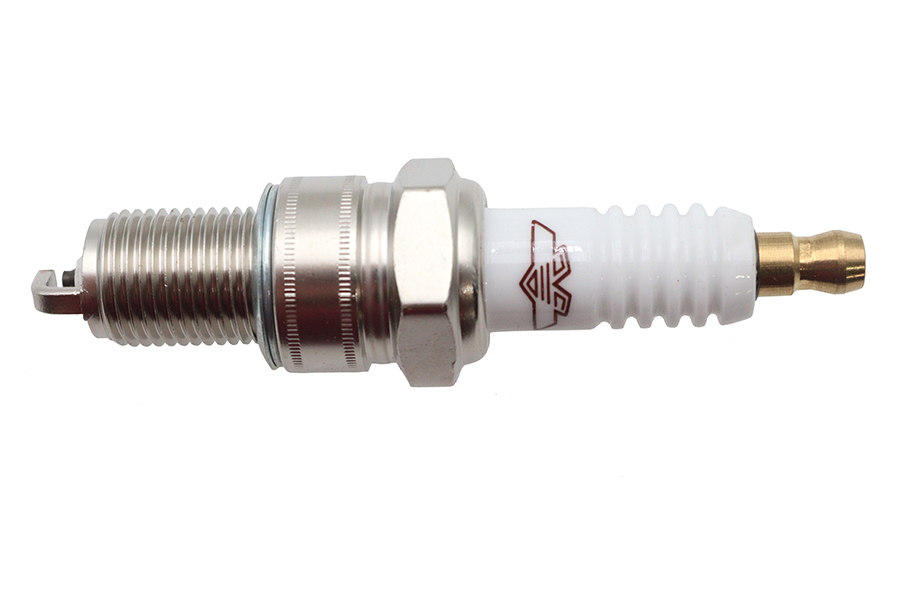 Ultima Standard Spark Plug$7.02
 Ignition System Cover Allen Screws$8.59
 Accel U-Groove Spark Plug Set$10.64
 8mm Spark Plug Wire Set$10.64Chrome Spark Plug Cover$10.64Ignition Point Cover Mount Kit Chrome$10.69Ignition System Cover Allen Screw$12.00
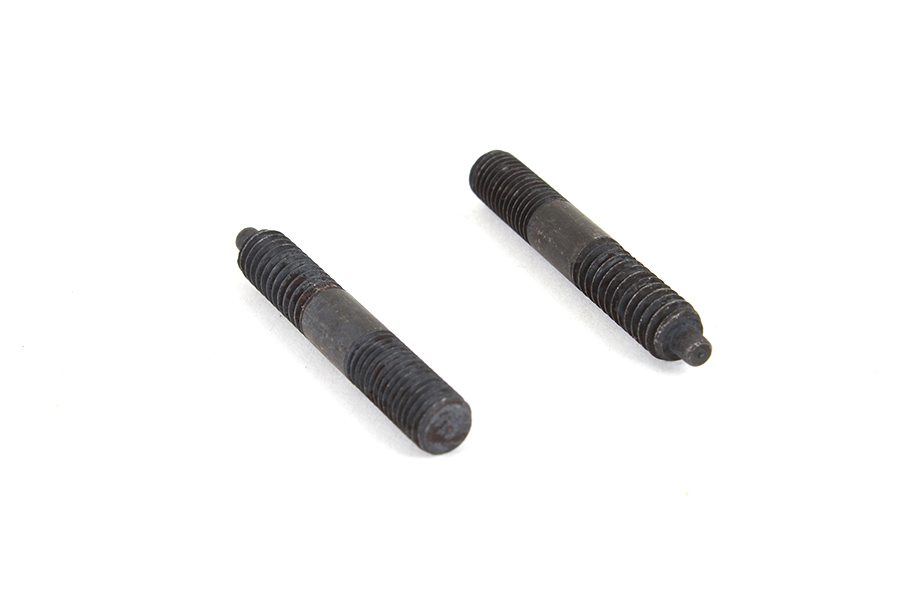 Starter Shaft Housing Stud Set$12.56
 Doering Spark Plugs Set$12.80
 OE Factory Spark Plug$12.83
 Ultima Performance Spark Plugs$14.58